





There is something quietly powerful about arranging flowers with your own hands. Most flower workshops follow a relaxed, guided format. You arrive, find your station, and a floral designer walks you through the session from selecting your stems to tying off your finished bouquet. The pace is intentional, the table is usually covered in seasonal blooms, and the energy in the room tends to be warm rather than rushed.
In this blog, we will walk you through what a flower workshop actually looks like, how to prepare before you arrive, what you will learn about building a bouquet from scratch, and how to find the right class or open studio experience near you.
What a Flower Workshop Actually Looks Like
A structured workshop follows a set curriculum. Everyone builds the same style of arrangement using the same flower varieties, which works well if you want clear direction from start to finish. An open studio session gives you more room to move, letting you choose your own stems and design your own layout while a floral designer stays nearby for guidance when you need it.
What makes these experiences stick is less about the flowers and more about the people around you. Everyone in that room showed up to make something with their hands. That shared focus creates a genuinely hard-to-find sense of community.
Who These Workshops Are Really For
You do not need any background in floral design to attend a bouquet-making class. Most sessions are built for complete beginners, so walking in without experience is not just acceptable, it is expected. The floral designer leading the session will meet you where you are and work from there.
Groups of friends, coworkers looking for a hands-on team outing, and anyone curious about sustainable, locally sourced flowers all tend to find something meaningful in a flower arranging class near them. The range of people who attend these sessions reflects how widely accessible they have become across Midwest communities.
The Basics of Building a Bouquet

Certain elements are to be kept in mind before attending your first floral workshop.
Choosing Your Flowers
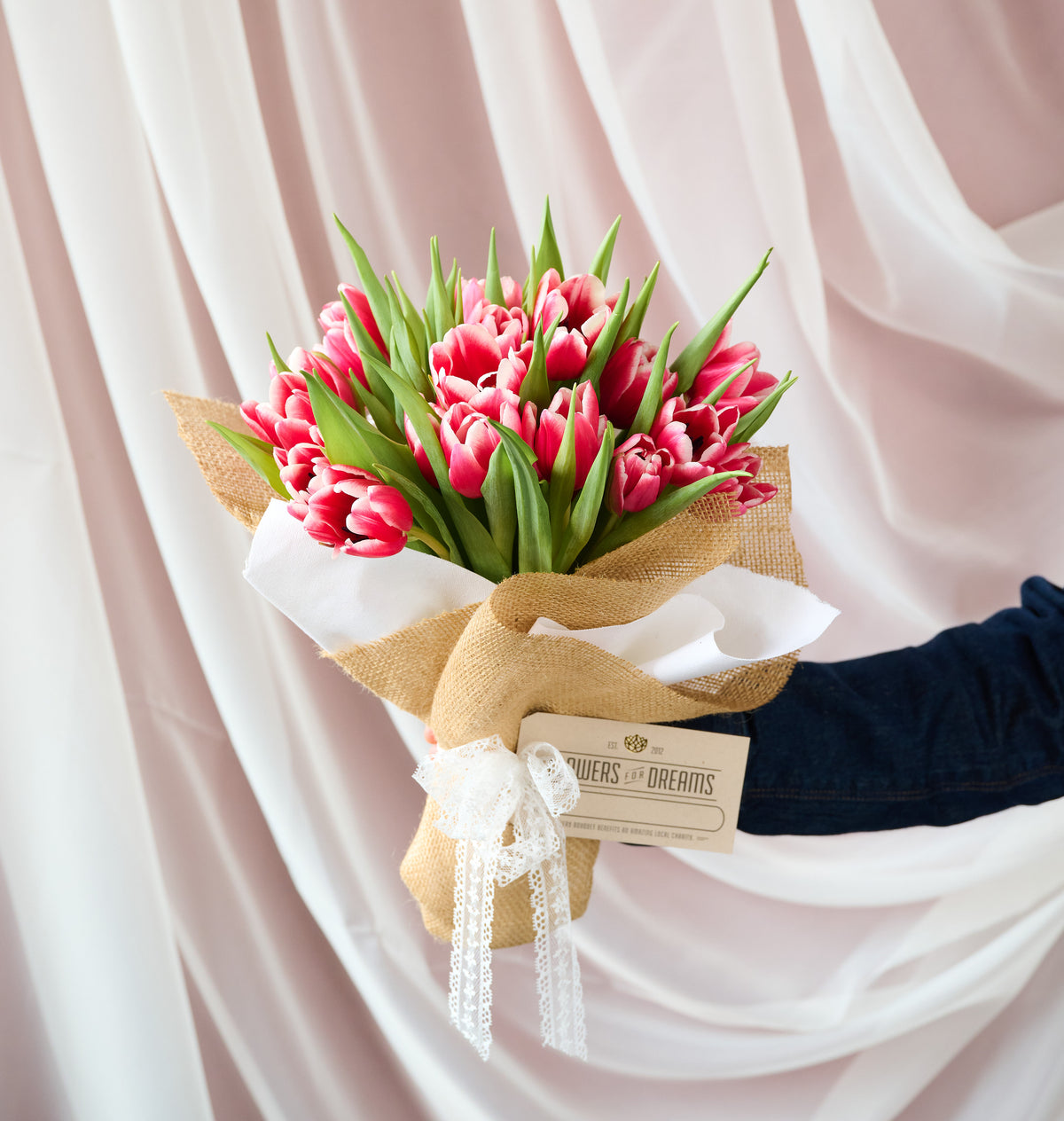
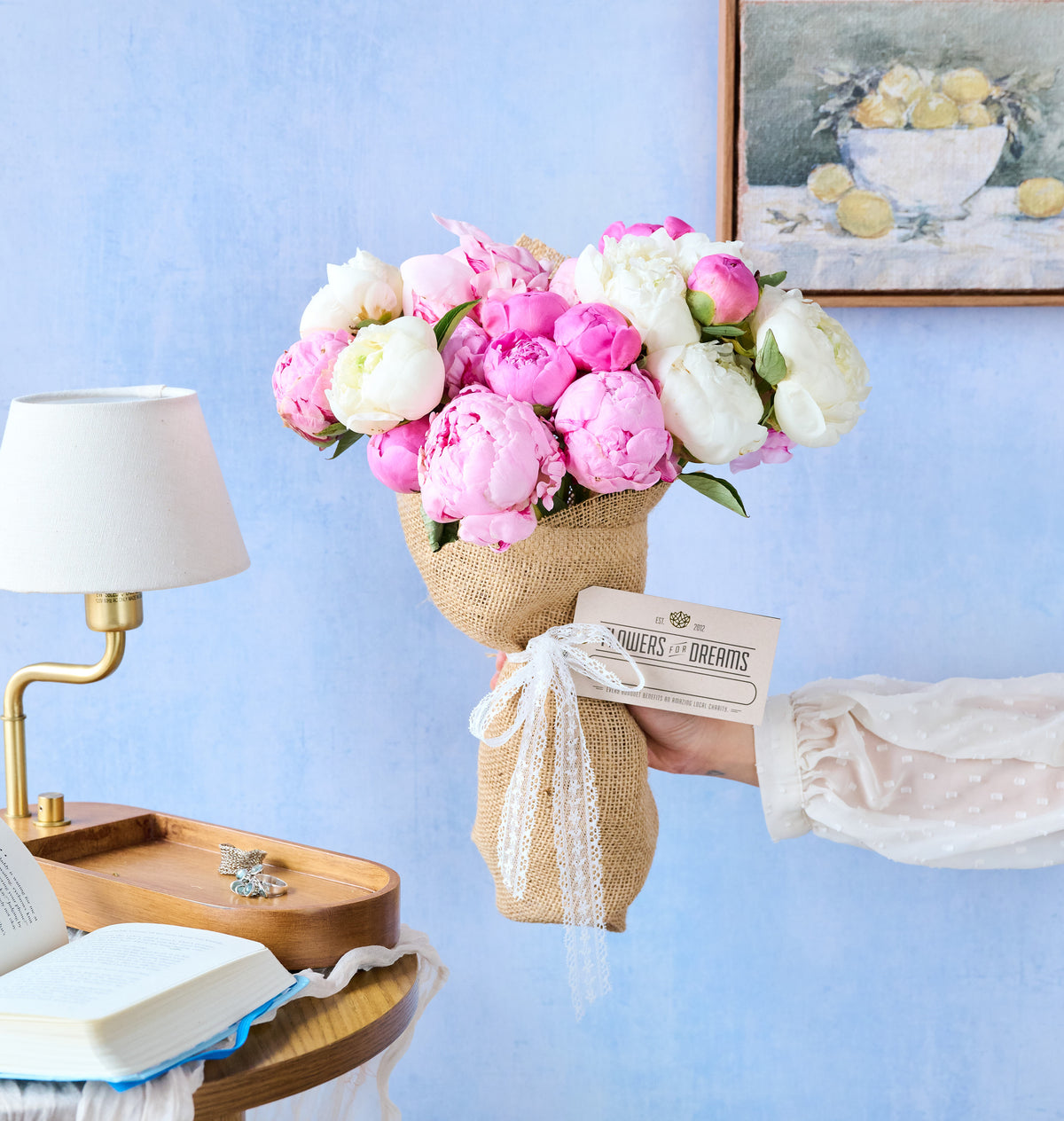
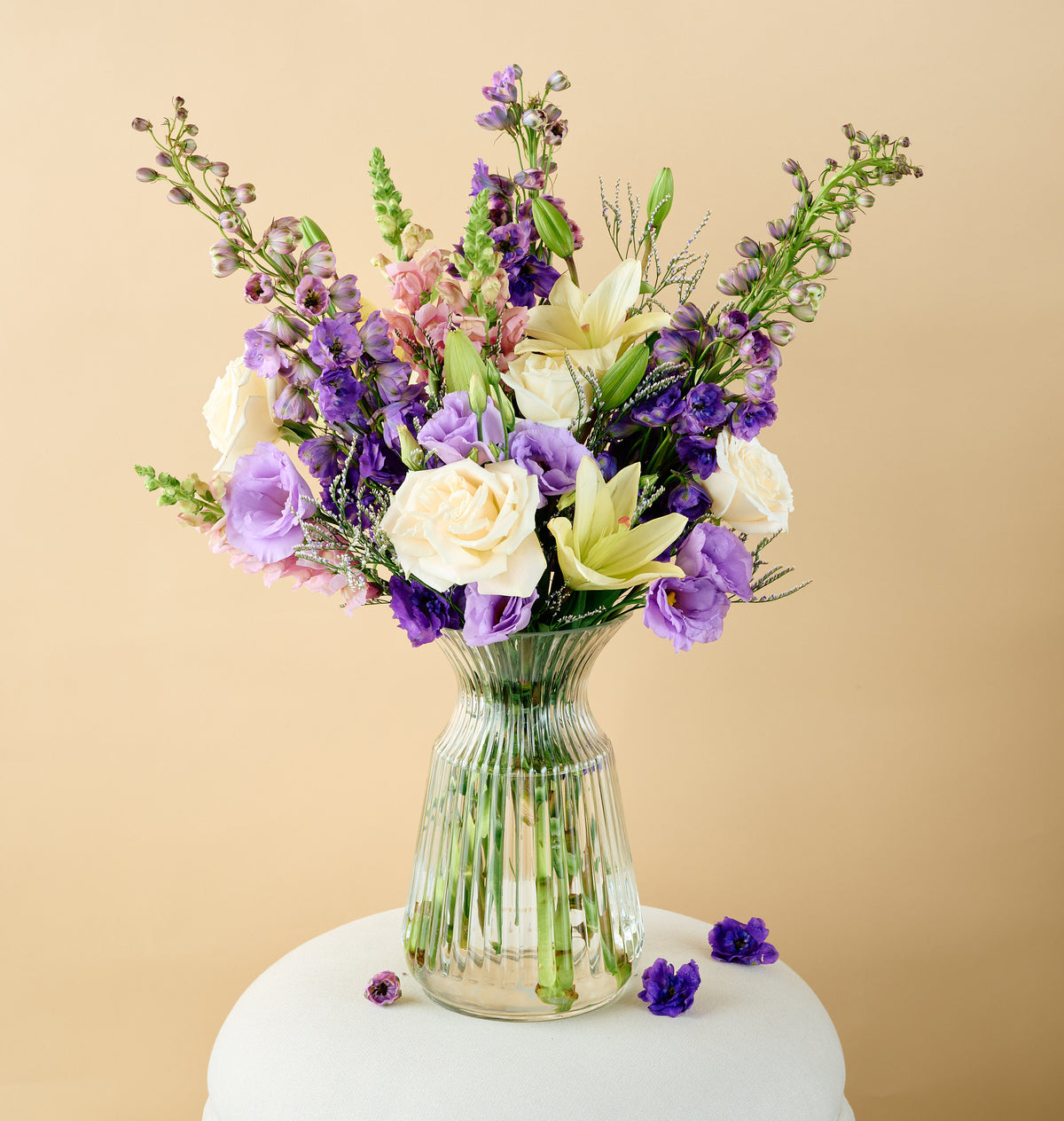
Every bouquet starts with three building blocks: focal blooms, filler flowers, and greenery. Focal blooms are your statement pieces, the ones that draw the eye first. Fillers add texture and volume between them, and greenery ties everything together with depth and movement.
Working with seasonal, locally crafted stems means your choices shift with what is actually growing nearby. Color, texture, and scale become your natural starting framework once you begin picking up stems and holding them together to see what works.
Putting It Together
Most floral designers teach the spiral stem technique, where each stem is added at a slight angle and rotated in the same direction as you build outward. It sounds precise at first, but it becomes instinctive quickly. You start with a single anchor bloom held in your non-dominant hand and add from there.
Balance is what separates a bouquet that holds its shape from one that droops within an hour. A good floral designer teaches you to feel the weight distribution as you add each stem, making small adjustments before you commit rather than trying to fix things later.
Finishing Touches
Once your arrangement is built, you trim the stems to fit your vessel, cutting at an angle so the flowers can drink properly. Then comes the wrapping and tying, the part that transforms a handful of stems into something that looks considered and complete.
Caring for your DIY flower bouquet at home is straightforward. Fresh water every day or two, a clean diagonal cut on the stems every few days, and keeping them away from direct sunlight will extend their life noticeably. A thoughtful floral designer always sends you home with these basics.
How to Find a Flower Arranging Class Near You
Local studios, community arts spaces, and artisan shops are the most common hosts for flower workshops. In Midwest cities like Chicago, Milwaukee, Detroit, Minneapolis, and Indianapolis, these sessions have grown steadily in popularity, often filling up weeks ahead during spring and early fall.
Before you book, ask a few direct questions. Find out whether materials are included in the price, which flower varieties you will work with, and whether the stems are organically grown or sustainably sourced. Those details tell you a great deal about the quality of the experience before you ever walk through the door.
Fair and honest pricing for a bouquet-making class reflects the actual cost of the flowers and the expertise of the floral designer leading the session. Be cautious of sessions priced unusually low, since that often signals mass-imported stems rather than the locally crafted flowers that make these workshops worth your time and money.
What Makes a Workshop Worth Your Time and Money
The quality of the flowers matters more than most first-timers expect. Organic, sustainably sourced stems are fresher, longer-lasting, and carry a very different presence into the room than flowers that have traveled thousands of miles before landing on your worktable.
A floral designer who teaches with intention goes beyond demonstrating technique. They explain why each choice matters, how to read a bloom for freshness, and what the principles behind a well-balanced arrangement actually are. That kind of knowledge stays with you long after the flowers are gone.
Mission-driven studios that give back to their communities add another layer of meaning to the whole experience. Flowers for Dreams connects the act of buying and arranging flowers to something larger, supporting local communities through every purchase. When a workshop is rooted in those values, it carries more weight than a standard class.
Frequently Asked Questions
How long does a typical flower workshop or open studio session take?
Most sessions run anywhere from about an hour to a few hours, so check the specific class listing for the exact duration.
What should I wear or bring to a flower arranging class?
Wear something comfortable that you do not mind brushing against stems, and bring a tote or box if you want an easy way to carry your bouquet home.
Can I come alone, or do I need to book with a group?
You can usually attend solo, and it can be a fun way to meet people since many workshops are designed to feel relaxed and beginner-friendly.
Are these workshops a good fit for birthdays, team outings, or private events?
Yes, flower arranging classes are often booked for small celebrations and group gatherings, but it is best to confirm group size options and availability in advance.
How to Make the Most of Your Workshop Experience

A flower workshop is not just a class. It is an invitation to slow down, use your hands, and make something that did not exist before you walked through the door. Whether you are drawn to the creativity, the calm, or the chance to learn something genuinely useful, the experience tends to stay with you long after the blooms have faded.
If you are ready to try it, Flowers for Dreams offers locally crafted, sustainably sourced arrangements and community-rooted experiences built around the same values you will find in the best workshops.
Visit Flowers for Dreams to explore artisan floral experiences and same-day delivery options rooted in Midwest craftsmanship and community.


