





Some plants need constant attention. The ZZ plant is the opposite. It sits quietly, grows steadily, and looks better with each passing month. That combination has made it one of the most forgiving indoor plants you can bring home, whether you are new to plants entirely or simply too busy to fuss over a watering schedule.
In this blog, we will cover the ZZ plant's meaning and symbolism, its key benefits, how to care for a ZZ plant step by step, common problems to watch for, and how to style it across different rooms in your home.
What is a ZZ Plant and What Does it Mean?
The ZZ, or Zamioculcas zamiifolia, is a tropical perennial plant native to the dry grasslands and forests of East Africa. Surviving drought and low light in the wild is what shaped it into the resilient houseplant people depend on today. The ZZ plant meaning reflects that directly: it symbolizes resilience, steady growth, and prosperity, qualities that make it a thoughtful gift and a grounded presence in any room.
Those associations are why it earned nicknames like "eternity plant" and "plant of steel." As an indoor plant, it has found its way into homes, offices, and studios where low maintenance is not a preference but a necessity. Its dark, glossy leaves communicate calm and permanence, making it as much a decor statement as a living thing worth tending.
ZZ Plant Benefits You Should Know About
The ZZ plant offers more than good looks. It carries air-purifying qualities, absorbing certain indoor toxins and supporting a healthier environment in rooms that stay closed most of the day. That pairs well with its low-maintenance appeal. You do not need a green thumb or a rigid watering routine to keep one alive.
Among the most practical ZZ plant benefits is its ability to grow steadily in low-light conditions. North-facing rooms, dim hallways, and apartments with little natural light are spaces where most easy houseplants struggle in low light, but the ZZ plant keeps growing.
One important note: the plant is toxic if ingested, so placement matters if you share your home with pets or small children. Beyond that, its longevity as a living decor piece gives it real staying power. This plant stays beautiful for years with very little effort on your part.
How to Care for a ZZ Plant: Step-by-Step Guide

Taking care of the ZZ plant is easy and involves a few simple steps.
Light Requirements
The ZZ plant tolerates low light well, but it prefers bright, indirect light when you can offer it. A spot near a north or east-facing window works well, as does any room with filtered light throughout the day. Avoid direct sunlight for extended periods, as harsh rays scorch the leaves. A home office or living room with soft, consistent light is close to ideal for steady growth.
Watering Your ZZ Plant
Watering is where most people go wrong when learning how to care for a ZZ plant. This is a drought-tolerant plant with thick rhizomes that store water underground, so restraint matters more than routine. Water deeply once every two to three weeks during the warmer months,
and reduce watering to once a month in winter. Overwatering shows up as yellowing leaves and soft stems. Underwatering causes wrinkling or dry leaf tips. When you are unsure, wait a few more days before watering again.
Fertilizing and Repotting
From spring through early fall, feed your ZZ plant once a month with a balanced liquid fertilizer to support new growth. Skip feeding entirely in winter and let the plant rest. Repotting is necessary every 2-3 years, or when roots begin to push through the drainage hole. Move up one pot size, refresh the soil, and the plant will continue growing without disruption.
Following these steps will ensure that your ZZ plant remains thriving and well for a long time, in your house.
Common ZZ Plant Problems and How to Fix Them
Yellow leaves are the most common issue, and they almost always point to overwatering. Pull back your schedule and confirm the soil drains fully between sessions. Brown tips tend to signal low humidity or inconsistent watering, both of which are easy to address with small adjustments to your routine. A shallow dish of water placed near the plant raises humidity in dry rooms without any extra equipment needed.
Frequently Asked Questions
How fast does a ZZ plant grow indoors?
It grows slowly, so expect steady new stems over months rather than rapid growth each week.
Can I propagate a ZZ plant at home?
Yes, you can propagate it from leaf or stem cuttings or by dividing the rhizomes, but it takes patience.
Why are new ZZ plant stems lighter than the older leaves?
New growth often starts bright and soft, then darkens and firms up as it matures.
Should I rotate my ZZ plant?
Yes, rotating it every couple of weeks helps it grow more evenly toward the light.

How to Style a ZZ Plant in Your Home

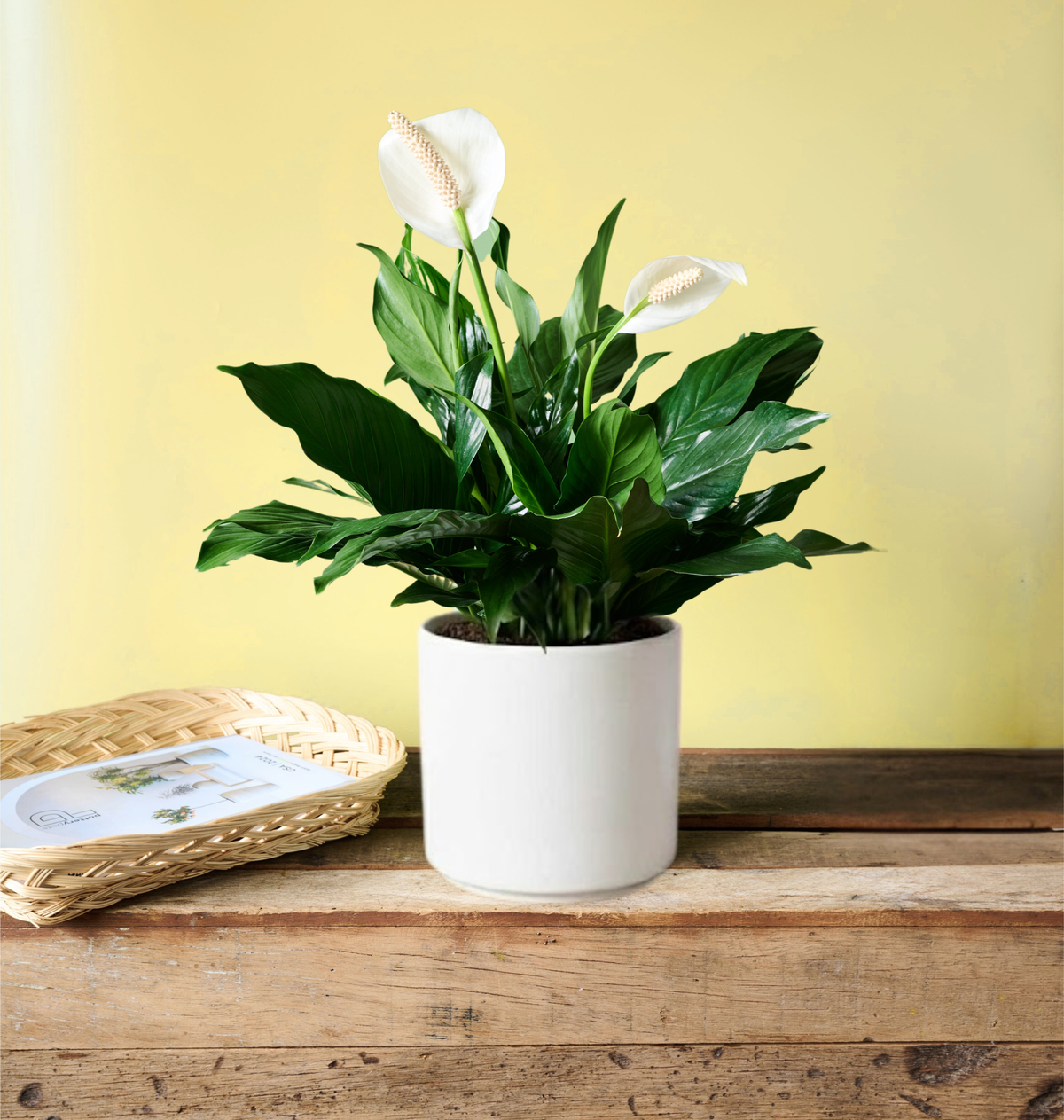
The ZZ plant's dark, glossy leaves make it one of the more versatile plants for styling a room. Living rooms, home offices, and entryways are all strong placements because they are high-visibility spaces where a well-positioned plant can make a genuine impact. Its upright, architectural shape suits minimalist, Scandinavian, and earthy decor well, adding organic texture without competing with clean lines and neutral palettes.
A Low-Maintenance Plant That Makes a Room Feel Complete
The ZZ plant earns its reputation as a low-effort, high-reward addition to any indoor space. If you are new to plant parenthood, starting with one ZZ plant builds your confidence quickly because it responds well to patience and simplicity. Once you see how steadily it grows with minimal intervention, adding more plants feels far less intimidating.
When you are ready to bring more living beauty into your home, Flowers for Dreams offers artisan, locally crafted arrangements and plant-forward gifting options delivered same-day across the Midwest.
Shop the ZZ plant at Flowers for Dreams, and find something that feels as good as it looks.


